
ICE activity surges across the U.S. ahead of midterms, NPR reports — and early voting is surging too
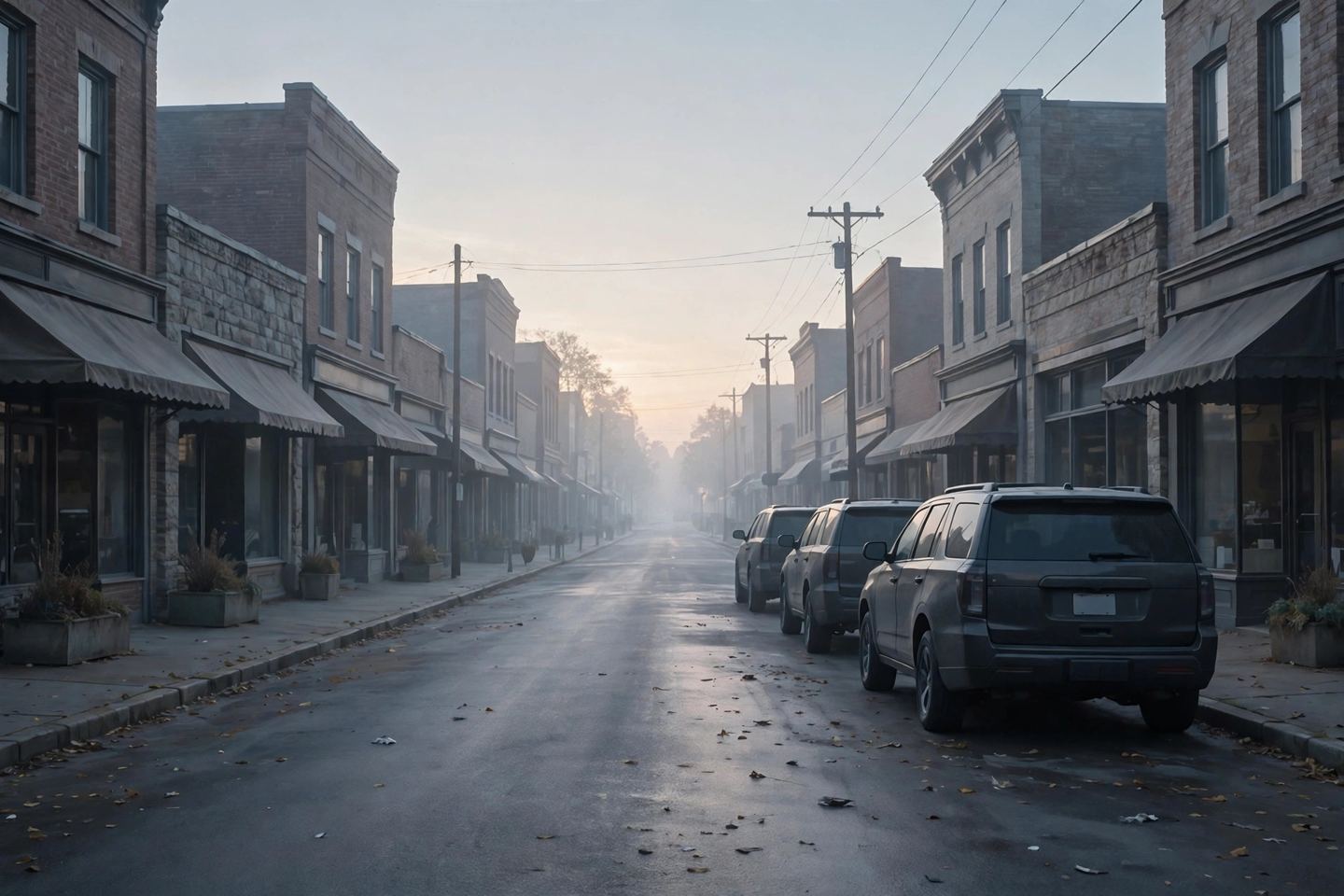 Editorial illustration — Press Pass USA
Cities and states across the country are reporting a surge in activity from Immigration and Customs Enforcement in the run-up to the November 3 midterm elections, NPR reported Friday, drawing on reports gathered by NPR and its member stations.
Very early on Wednesday morning, Dover, New Jersey, Councilwoman Sandra Wittner began getting messages about immigration agents — a dozen or more of them — gathering outside a Walgreens at 5 a.m. In nearby Wharton, close to Route 80, between 12 and 15 agents in vehicles were seen suiting up behind a building that backs onto a residential street. Later in the day, activists said another dozen or so cars were seen going in and out of a warehouse owned by Homeland Security in the nearby town of Roxbury.
New Jersey is not alone. NPR and its member stations have received tips throughout October about surges in immigration enforcement in rural Illinois, Oregon, Detroit and across California, as well as reports from New York City, where an official in Mayor Zohran Mamdani's office who was not authorized to speak publicly confirmed that the city has noted a surge in ICE activity.
In Portland, Oregon Public Broadcasting reporter Troy Brynelson said ICE activity has noticeably picked up compared with the summer, concentrated in commercial areas. In recent weeks, he said, there have been numerous large operations — what he called “cluster raids,” with multiple agents moving from one spot to the next.
Reporting on the operations as they happen has grown harder, NPR noted, because the Department of Homeland Security no longer publicly shares timely information on its operations. Asked whether there has been a recent surge, the agency responded: “ICE agents uphold our nation's immigration laws in all 50 states, seven days a week, 24 hours a day.”
The timing, days before the midterms, has alarmed voting-rights advocates. Wendy Weiser of the Brennan Center for Justice at NYU School of Law told NPR that the tactics “really appear to be designed to try to intimidate voters, even election officials, and to keep people from voting.” Juan Proaño of the League of United Latin American Citizens said the concern is not agents at polling stations themselves, but “ICE at the perimeter of the polling station,” and that enforcement away from the polls could still dissuade people from going out to vote.
But Weiser also said there is no indication the raids are suppressing turnout. On the contrary, she said, early voting has surged in minority communities, Latino communities and other communities targeted by ICE and Homeland Security: “The good news is: it isn't working. Americans are tuning this out and we are not seeing a significant impact on participation.”
The reported surge comes against a backdrop of sharply expanded enforcement. A Migration Policy Institute analysis cited in the National Immigration Forum's October 30 policy bulletin estimates nearly 980,000 deportations during the first 18 months of President Donald Trump's second term, with about 660,000 projected for fiscal year 2026 — a 26 percent increase from the annual average under the previous administration — while noting that Homeland Security has largely stopped releasing detailed enforcement data, making the administration's claims difficult to verify independently.
Sources: NPR, “ICE activity is surging ahead of midterms. So is voter turnout,” by Jasmine Garsd (Oct 30, 2026), including Oregon Public Broadcasting reporting; Department of Homeland Security statement to NPR (Oct 30, 2026); Migration Policy Institute analysis by Marc Rosenblum, as cited in the National Immigration Forum policy bulletin (Oct 30, 2026).
Sponsored